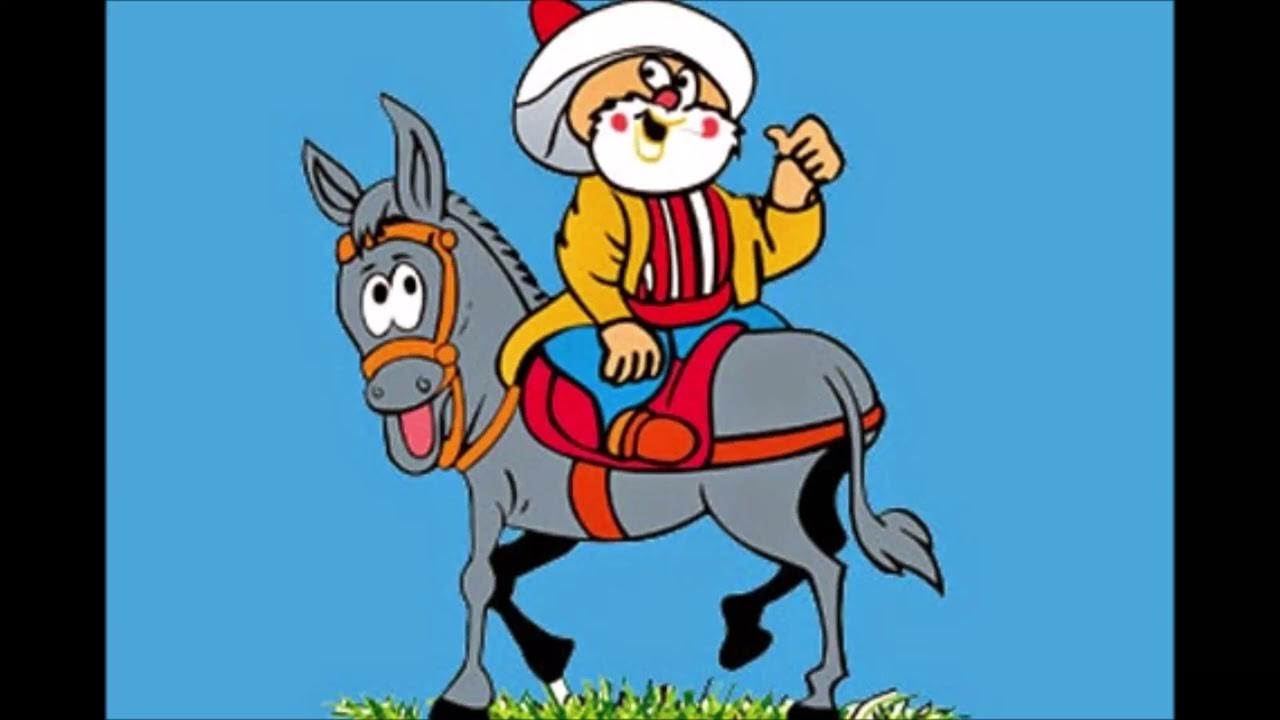
Unlock Laughter and Wisdom: Top Short & Funny Nasrettin Hodja Tales for 3rd Graders
Step into a world where wit reigns supreme and laughter is just around the corner! For centuries, the tales of Nasrettin Hodja, a wise and humorous Sufi philosopher and storyteller from the 13th century, have captivated audiences young and old. His short, funny anecdotes (or "fıkraları" in Turkish) are not just jokes; they are clever observations about life, human nature, and common sense, wrapped in delightful humor. Perfect for young minds, these stories offer a unique blend of entertainment and subtle lessons, making them ideal for 3rd graders exploring new cultures and enjoying a good chuckle. If you're searching for engaging and memorable stories that encourage critical thinking and bring smiles, you've found a treasure trove!Who Was Nasrettin Hodja? A Brief Introduction for Young Readers
Imagine a kind, elderly man with a turban, often seen riding his donkey backward, always ready with a witty remark or a surprising solution to a problem. That's Nasrettin Hodja! Originating from Turkey, his stories have traveled across many cultures, translated into numerous languages, and continue to be beloved by millions. He wasn't just a funny character; he was a wise teacher who used humor to make people think. His tales are often simple but carry deep meanings, teaching lessons about fairness, honesty, kindness, and sometimes, the silliness of human behavior. He's a legendary figure who reminds us that wisdom can come from unexpected places, and that laughter is truly the best medicine. His stories are a fantastic way to introduce children to different cultural perspectives while providing endless amusement.Why Are Nasrettin Hodja Stories Perfect for 3rd Graders?
Nasrettin Hodja's tales are a fantastic educational and entertainment resource for children aged around 8-9 years old. Here's why they resonate so well with 3rd graders: * **Short and Engaging:** Many of the anecdotes are very brief, making them easy for young children to follow without losing interest. The quick setup and punchline keep them hooked. * **Simple Humor:** The humor is generally straightforward and relies on clever wordplay, unexpected twists, or funny situations that 3rd graders can easily understand and appreciate. They don't require complex background knowledge. * **Encourage Critical Thinking:** While funny, most tales have a subtle moral or a point that makes children think. They often prompt questions like "Why did he do that?" or "What's the lesson here?", sparking valuable discussions. * **Develop Cultural Awareness:** Introducing children to stories from different cultures broadens their horizons and fosters an understanding and appreciation for global diversity. * **Boost Language Skills:** Reading and listening to these stories can enhance vocabulary, comprehension, and storytelling abilities. They learn about idiomatic expressions and clever phrasing. * **Timeless Lessons:** The underlying themes of Hodja's stories—like wisdom, folly, justice, and common sense—are universal and timeless, offering valuable insights into human behavior. For more tales that will make your students giggle, you might want to explore our collection of Funny Nasrettin Hodja Stories for 3rd Graders. They're guaranteed to spark joy!Our Favorite Short & Funny Nasrettin Hodja Tales for 3rd Grade
Here are some classic examples of "3 Sınıf Nasrettin Hoca Fıkraları Kısa Komik" (3rd Grade Nasrettin Hodja Short Funny Jokes) that are sure to be a hit with young learners.The Pot That Gave Birth
One day, Nasrettin Hodja borrowed a large pot from his neighbor. A few days later, he returned it, along with a small pot.
"What's this small pot for, Hodja Effendi?" asked his neighbor.
"Ah," said Hodja, with a serious face. "While your pot was with me, it gave birth to a little baby pot!"
The neighbor, surprised and amused, was happy to accept both pots. A few weeks later, Hodja borrowed the large pot again. This time, he didn't return it for a long time.
Finally, the neighbor came to his door. "Hodja Effendi, may I have my pot back?"
Hodja shook his head sadly. "Oh, my dear neighbor, I have some terrible news. Your pot... it died."
The neighbor was confused and angry. "Died? How can a pot die?"
Nasrettin Hodja simply shrugged. "My dear friend," he replied, "if you believe a pot can give birth, why is it so hard to believe it can die?"
The Lesson: This funny tale highlights logical consistency. If you accept a silly premise for gain, you must accept its consequence later! It teaches children about fairness and logical reasoning in a humorous way.
Counting the Donkeys
Nasrettin Hodja was traveling with a group of friends, and they had ten donkeys carrying their belongings. Hodja was riding on one of the donkeys at the back of the group.
He decided to count his donkeys to make sure none were lost. He counted: "One, two, three, four, five, six, seven, eight, nine."
Hodja frowned. "Oh no! One donkey is missing!" he exclaimed. He quickly got off his donkey and started looking around frantically for the missing animal.
After a while, one of his friends asked, "Hodja Effendi, what are you doing?"
"I'm looking for a lost donkey!" Hodja replied, still searching.
His friend smiled. "But Hodja, you were riding on a donkey just now. Perhaps you should count again, but this time, don't forget yourself!"
Hodja scratched his head, climbed back onto his donkey, and counted again. "One, two, three, four, five, six, seven, eight, nine, ten!"
"Ah," he sighed with relief. "All ten donkeys are here! I just forgot to count the one I was sitting on!"
The Lesson: This story cleverly teaches children the importance of paying attention and being thorough, especially when counting or checking things. It's a gentle reminder to not overlook the obvious!
The Center of the Earth
One day, a group of travelers approached Nasrettin Hodja and asked him, "Hodja Effendi, can you tell us, where is the exact center of the Earth?"
Hodja didn't hesitate for a moment. He pointed to the ground right under his donkey's front foot.
"Right here!" he declared confidently. "This is the very center of the Earth."
The travelers were skeptical. "How can you be so sure?" they asked.
Nasrettin Hodja simply smiled. "If you don't believe me," he said, "then go measure it yourselves!"
The Lesson: This anecdote showcases Hodja's quick wit and ability to provide an unchallengeable, albeit impractical, answer. It encourages children to think creatively and understand that not every question needs a precise, scientific answer, especially when posed playfully.
The Moon vs. The Sun
One evening, a student asked Nasrettin Hodja, "Hodja Effendi, which is more useful, the Sun or the Moon?"
Hodja thought for a moment and then replied, "The Moon, of course!"
The student was surprised. "But Hodja," he argued, "the Sun gives us light and warmth all day long!"
Nasrettin Hodja nodded. "Precisely!" he said. "The Sun shines when it is already light. But the Moon, my dear boy, shines when it is dark, when we truly need the light!"
The Lesson: This story playfully twists a common perception. It teaches children to look at things from different angles and appreciate the value of things that help us in challenging situations. It's about perspective!
For even more giggles and insightful narratives, don't miss our article on Laugh Out Loud: 3rd Grade Nasrettin Hodja Jokes, filled with humor specially curated for young learners.