Spark Joy: Funny Nasrettin Hodja Stories for 3rd Graders
In a world bustling with screens and fast-paced activities, there's a timeless magic in gathering around to hear a good story. For 3rd graders, these stories aren't just entertainment; they're gateways to imagination, critical thinking, and a deeper understanding of the world. And when it comes to tales that tickle the funny bone while subtly teaching valuable lessons, few can compare to those of the legendary Nasrettin Hodja. If you're looking for delightful narratives that are both short and funny – or as they say in Turkish, 3 Sınıf Nasrettin Hoca Fıkraları Kısa Komik – you've come to the right place!
Nasrettin Hodja is more than just a character; he's a cultural icon, a wise man, a trickster, and a philosopher, all rolled into one. His stories, known as "fıkralar," have been passed down through generations, captivating audiences of all ages with their clever wit, unexpected twists, and universal truths. For children in 3rd grade, these tales offer a perfect blend of humor and insight, making learning an absolute joy.
Who is Nasrettin Hodja? Your Child's New Favorite Storyteller!
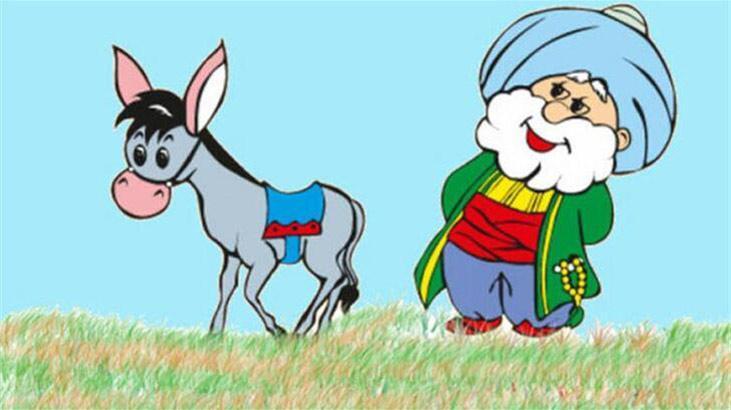
Imagine a friendly, turbaned man, often seen riding his donkey backwards, with a twinkle in his eye and a ready answer for every question – no matter how silly or profound. That's Nasrettin Hodja! Originating from Turkey, likely in the 13th century, Hodja is a legendary figure whose stories spread across the Middle East, Central Asia, and beyond. He's a teacher, a judge, a villager, and sometimes even just an ordinary man caught in extraordinary situations, always ready with a witty remark or a paradoxical solution that leaves you both laughing and thinking.
What makes Hodja so appealing to young minds? It's his relatability and his cleverness. Children at this age are developing their sense of humor, understanding irony, and beginning to grasp abstract concepts. Hodja's stories provide a safe and fun way to explore these new cognitive skills. His adventures often involve everyday scenarios, making them easy for 3rd graders to follow, while his unique perspective on problems encourages them to think outside the box. These aren't just silly jokes; they're mini-parables designed to spark curiosity and discussion. You can find more of these delightful anecdotes in Laugh Out Loud: 3rd Grade Nasrettin Hodja Jokes.
Our Favorite "3 Sınıf Nasrettin Hoca Fıkraları Kısa Komik" (Short, Funny Hodja Stories for 3rd Grade)
Let's dive into some classic examples of 3 Sınıf Nasrettin Hoca Fıkraları Kısa Komik that are guaranteed to bring smiles and perhaps a few "aha!" moments to your 3rd grader. These stories are perfect for reading aloud and discussing.
Story 1: The Pot That Gave Birth
One day, Hodja borrowed a large cooking pot from his neighbor. A few days later, he returned it, along with a small, tiny pot. "What's this small pot?" asked his neighbor, surprised. "Oh," said Hodja with a serious face, "your big pot gave birth to a baby pot while it was at my house!" The neighbor, delighted by the unexpected gift, happily took both pots. A few weeks later, Hodja asked to borrow the big pot again. The neighbor, remembering the "baby pot," happily lent it to him, hoping for another little addition. Days turned into a week, a week into two, but Hodja didn't return the pot. Finally, the neighbor went to Hodja's house. "Hodja, where is my pot?" he asked. "Ah, my dear friend," said Hodja with a mournful sigh, "I have terrible news. Your pot... it died." "Died?" exclaimed the neighbor, "Pots don't die!" "Oh, but they do!" replied Hodja calmly. "If a pot can give birth, surely it can also die, can't it?"
Lesson: This story playfully highlights hypocrisy and teaches children about cause and effect in a funny way. It encourages them to think about fairness and logical consistency.
Story 2: The Weight of the Letter
A man came to Hodja and asked, "Hodja, can you write a letter for me?" "Of course," replied Hodja. "But it must be a very important letter, heavy with meaning," the man insisted. Hodja sat down and wrote a short note. The man looked at it. "But Hodja, this letter is so short! It needs to be heavy, truly meaningful!" Hodja thought for a moment, then picked up a large stone and placed it on top of the letter. "There!" he declared. "Now it's a heavy letter!"
Lesson: This fıkra plays on words (heavy meaning vs. heavy weight) and teaches children about literal vs. figurative language. It's a great way to introduce the concept of metaphors and how words can have different interpretations.
Story 3: Where is the Center of the Earth?
One day, some curious villagers asked Hodja, "Hodja, where is the exact center of the Earth?" Hodja immediately pointed to the spot where his donkey was standing. "Right here!" he declared confidently. The villagers were puzzled. "How can you be so sure?" they asked. "If you don't believe me," Hodja said with a shrug, "measure it yourselves!"
Lesson: This story is a brilliant example of Hodja's quick wit and how he uses humor to deflect silly questions. It encourages children to question assumptions and appreciate clever responses, even when they're not scientifically precise.
Beyond the Laughter: Life Lessons in Hodja's Wisdom
While these funny Nasrettin Hodja stories for 3rd graders are undeniably entertaining, their value extends far beyond simple amusement. They are rich with subtle teachings that can aid in a child's development:
- Critical Thinking: Hodja's responses often turn common logic on its head, prompting children to think about the situation from a different angle. Why did he say that? What was the real point?
- Problem-Solving Skills: Many fıkralar present a problem that Hodja solves in an unconventional, yet often effective, way. This encourages creative problem-solving.
- Understanding Irony and Sarcasm: For 3rd graders, distinguishing between literal and figurative language is a key developmental step. Hodja's humor often relies on these nuances, helping children grasp these concepts.
- Cultural Appreciation: Introducing children to folklore from different cultures broadens their worldview and fosters an appreciation for diversity. Hodja's stories are a wonderful window into Turkish culture and beyond.
- Moral Reasoning: Beneath the laughter, many stories subtly address themes of fairness, honesty, humility, and wisdom, providing gentle lessons without being preachy.
- Language and Vocabulary: Reading or listening to these engaging stories can enhance a child's vocabulary and comprehension skills in a fun, natural way.
These short humorous stories for 3rd graders are a treasure trove of learning opportunities, cleverly disguised as pure fun. For more short and sweet tales, check out Top Short & Funny Nasrettin Hodja Tales for 3rd Graders.
Bringing Hodja's Joy to Life: Tips for Parents and Teachers
Making Nasrettin Hodja's stories a part of a 3rd grader's life is easy and rewarding. Here are some practical tips for parents and teachers:
- Read Aloud with Expression: The humor in Hodja's stories truly shines when read with enthusiasm. Use different voices for characters and emphasize the punchlines.
- Discuss the "Why": After reading, ask questions like: "Why do you think Hodja said that?" "What's funny about this story?" "What do you think the Hodja wanted to teach the person?"
- Encourage Retelling: Ask your child to retell the story in their own words. This helps with comprehension and storytelling skills.
- Act Them Out: Hodja's stories are perfect for simple dramatization. Assign roles or use puppets to bring the characters to life.
- Connect to Real Life: Discuss if there are any situations in daily life where someone used similar cleverness or where a lesson from Hodja's story applies.
- Spark Creativity: Encourage children to imagine their own "Hodja" story. What kind of problem would he solve? How would he do it?
- Explore More: There are countless Hodja stories available. Make it a fun quest to discover new ones.
Incorporating 3 Sınıf Nasrettin Hoca Fıkraları Kısa Komik into your child's reading routine is not just about laughter; it's about nurturing a love for stories, developing critical thinking, and instilling timeless wisdom in an engaging, unforgettable way.
Conclusion
Nasrettin Hodja's funny, short, and wise stories are a delightful resource for 3rd graders, offering a unique blend of humor, cultural insight, and gentle life lessons. By introducing your child to these captivating tales, you're not only providing them with endless entertainment but also fostering important cognitive and emotional development. So, gather your young ones, pick a favorite fıkra, and get ready to spark joy and laughter with the timeless wisdom of Nasrettin Hodja. These simple yet profound narratives will surely become cherished memories, proving that sometimes, the best lessons are learned with a chuckle.